Mobiele toiletvoorzieningen voor buitenevenementen gaan verder dan alleen het plaatsen van een paar tijdelijke toiletten. De planning moet rekening houden met het aantal bezoekers, de duur van het evenement, de indeling van het terrein, de toegankelijkheid, hygiëne, transport en onderhoudsbehoeften. Afhankelijk van het project kan de oplossing bestaan uit op maat gemaakte mobiele toiletten, verschillende materialen en afmetingen, gespecialiseerde functies en meerdere units die specifiek voor het evenement zijn geconfigureerd.
Voor festivals, concerten, bruiloften, sportevenementen, buurtbijeenkomsten en meerdaagse buitenevenementen biedt DXH House projectspecifieke mobiele toiletoplossingen die zijn ontworpen op basis van de daadwerkelijke toepassingsvereisten. In plaats van te vertrouwen op een standaardspecificatie, kan elke mobiele toiletoplossing worden geconfigureerd op basis van de evenementomgeving, het verwachte gebruik, de locatieomstandigheden en de wensen van de klant.
A draagbaar toilet Een mobiel toilet is een zelfstandige toiletunit die geen vaste aansluiting op het gemeentelijke water- of rioolnet nodig heeft. Elke unit bestaat doorgaans uit een afvaltank, een toiletbril en -behuizing, en in veel uitvoeringen ook een handdesinfectiemiddeldispenser of ingebouwde ventilatie. Omdat ze onafhankelijk van een vaste waterleiding werken, kunnen mobiele toiletten vrijwel overal buiten worden geplaatst en weer worden verwijderd. Dit maakt ze de standaardoplossing voor evenementen, bouwplaatsen en andere tijdelijke of afgelegen locaties.
Mobiele toiletten worden doorgaans gemaakt van duurzame, weerbestendige materialen, waardoor ze bestand zijn tegen herhaaldelijk gebruik buitenshuis, reiniging en transport tussen locaties. Moderne mobiele toiletten zijn verkrijgbaar in diverse uitvoeringen, naast de standaard cabine, zoals rolstoeltoegankelijke toiletten, handwasstations die gecombineerd kunnen worden met toiletgroepen, en luxe mobiele toiletten voor bruiloften en exclusieve privé-evenementen.
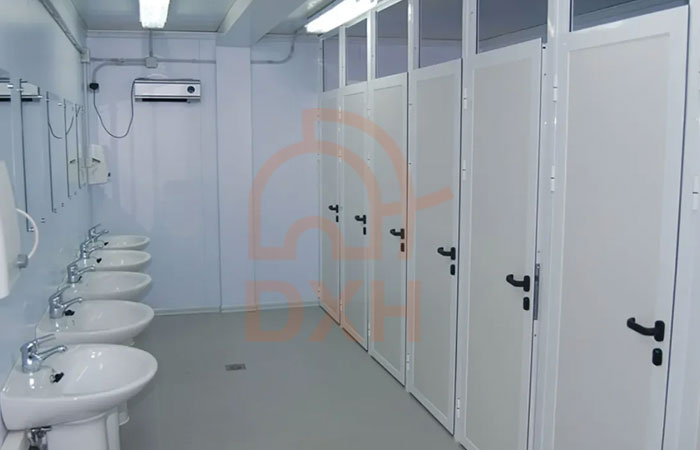
Buitenevenementen vinden vaak plaats op locaties waar de permanente sanitaire voorzieningen beperkt of afwezig zijn. Een tijdelijke toiletvoorziening stelt organisatoren in staat om essentiële sanitaire voorzieningen te bieden zonder permanente gebouwen te hoeven bouwen of grote veranderingen aan het evenemententerrein aan te brengen.
Een speciale oplossing met mobiele toiletten helpt evenementorganisatoren aan verschillende belangrijke eisen te voldoen:
De juiste oplossing hangt van meer af dan alleen het aantal deelnemers aan een evenement. De duur van het evenement, de locatieomstandigheden, de doelgroepen, de indelingseisen en het vereiste functionaliteitsniveau kunnen allemaal van invloed zijn op de uiteindelijke configuratie.
Om deze reden moet de planning van mobiele toiletten beginnen met de projectvereisten in plaats van met een vaste productspecificatie.
Niet elk buitenevenement stelt dezelfde eisen aan de sanitaire voorzieningen. Een buurtpicknick, een meerdaags muziekfestival en een buitenbruiloft vragen elk om een andere combinatie van toiletten, plaatsingsstrategie en onderhoudsfrequentie. De onderstaande paragrafen beschrijven hoe oplossingen voor mobiele toiletten doorgaans verschillen per evenementtype.
Festivals en concerten trekken vaak grote aantallen bezoekers en er is een geconcentreerde vraag naar toiletten tijdens de piekuren. Bij de keuze voor een geschikte mobiele toiletvoorziening moet rekening worden gehouden met het totale aantal bezoekers, de beweging van het publiek, de duur van het evenement, de indeling van het terrein en de onderhoudsbehoeften.
Voor grote festivals en concerten kan de oplossing het volgende omvatten:
Ook de plaatsing van de voorzieningen is belangrijk. Toiletten moeten gemakkelijk bereikbaar zijn voor bezoekers, zonder ingangen, podia, vluchtroutes of belangrijke voetgangersstromen te blokkeren.
Bij meerdaagse festivals moet het planningsproces ook rekening houden met schoonmaak, onderhoud, afvalbeheer en de benodigde aanvulling van voorraden gedurende het evenement.
Buitenbruiloften en privé-evenementen vereisen vaak een andere aanpak voor tijdelijke toiletvoorzieningen. Comfort, uitstraling, privacy en hygiëne van de gasten kunnen hierbij van bijzonder belang zijn.
Afhankelijk van de projectvereisten, een Draagbare toiletoplossing voor bruiloften kan worden geconfigureerd met de nadruk op:
De oplossing met mobiele toiletten kan worden aangepast aan de omvang van het evenement, de beschikbare ruimte, het profiel van de gasten en de algemene evenementvereisten. Bij exclusieve of besloten evenementen kan naast de praktische functie ook rekening worden gehouden met het ontwerp en de uitstraling van de faciliteiten.
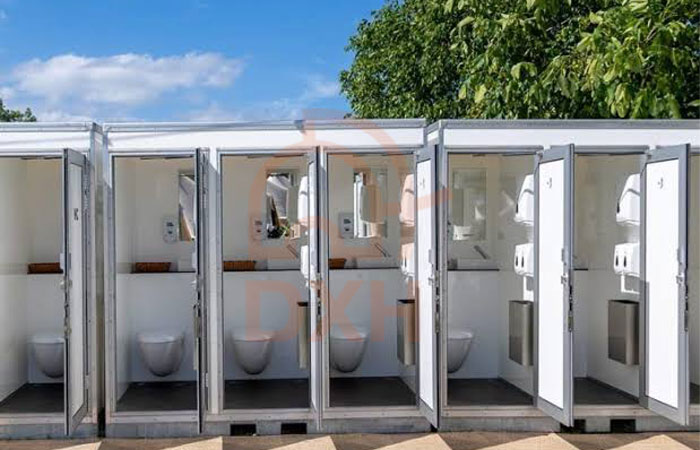
Sportevenementen kunnen een grote vraag naar toiletten creëren, met name in bepaalde gebieden en op bepaalde tijdstippen. Ook de behoeften van toeschouwers, atleten, personeel en leveranciers kunnen verschillen.
Bij de keuze voor een mobiel toilet bij een sportevenement moet rekening worden gehouden met het volgende:
Er kunnen mobiele toiletten verspreid over het evenemententerrein worden geplaatst om drukte te verminderen en het comfort te verhogen. De opstelling kan worden aangepast aan de grootte en indeling van het evenemententerrein.
Bijeenkomsten, openbare festiviteiten, markten en tijdelijke openbare evenementen kan een flexibele toiletvoorziening nodig zijn voor bezoekers van verschillende leeftijden en met uiteenlopende behoeften.
Een geschikte oplossing moet rekening houden met:
Draagbare toiletten bieden een tijdelijke sanitaire voorziening zonder dat er permanente bouwwerkzaamheden nodig zijn. Daardoor zijn ze geschikt voor evenementen in parken, openluchtgebieden, tijdelijke locaties en andere plekken met beperkte permanente faciliteiten.
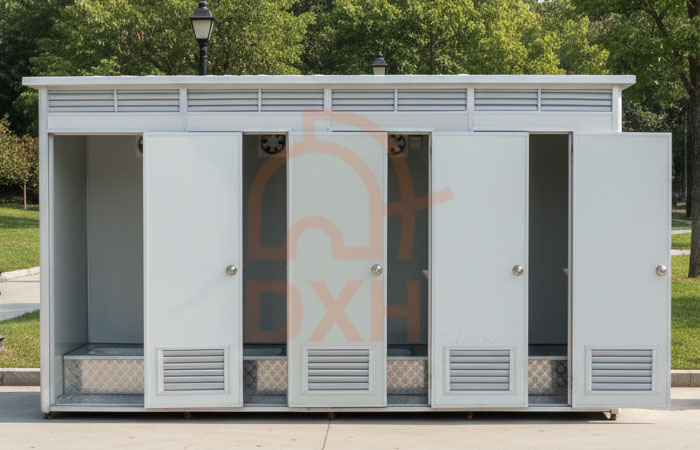
Mobiele toiletoplossingen kunnen worden geconfigureerd volgens de specifieke eisen van het project. Afhankelijk van de toepassing kan de configuratie verschillende indelingen, afmetingen, materialen, functionele kenmerken en gebruikersspecifieke eisen omvatten.
| Configuratiefactor | Wat kan in aanmerking worden genomen? | Waarom het belangrijk is |
|---|---|---|
| Interne indeling | Toiletruimtes, doorloopruimte, wastafelgedeeltes, gebruikerszones | Ondersteunt verschillende gebruikspatronen |
| Materialen | Blootstelling aan de buitenlucht, duurzaamheid, reinigingsvereisten | Helpt de faciliteit af te stemmen op de omgeving. |
| Afmetingen | Beschikbare terreinruimte, interne ruimte, transportmogelijkheden | Biedt een goede balans tussen gebruiksgemak en logistiek. |
| Functionele kenmerken | Ventilatie, verlichting, handen wassen, watervoorziening, privacy | Verbetert de gebruiksvriendelijkheid en operationele prestaties. |
| Gebruikersvereisten | Algemene gebruikers, personeel, VIP-gasten, mobiliteitsbehoeften | Ondersteunt verschillende gebruikersgroepen |
| Verschijning | Buitenafwerking, bewegwijzering, branding | Helpt bij de integratie van de faciliteit met het evenement. |
De oplossing met mobiele toiletten kan worden afgestemd op de specifieke behoeften van deze verschillende projecten. Een op maat gemaakte oplossing met mobiele toiletten kan aan de werkelijke eisen voldoen, in plaats van onnodige functies toe te voegen of het project te beperken tot een standaardconfiguratie.
Het aantal benodigde mobiele toiletten voor een evenement in de buitenlucht hangt van meer af dan alleen het totale aantal bezoekers. De duur van het evenement, de piekbelasting, de catering, de bestaande toiletvoorzieningen, de indeling van het terrein en de wensen van de gebruikers kunnen allemaal van invloed zijn op de uiteindelijke oplossing.
| Planningsfactor | Vragen om te overwegen | Impact op de oplossing |
|---|---|---|
| Aanwezigheid | Hoeveel mensen worden er verwacht? | Beïnvloedt de algehele capaciteit |
| Piekgebruik | Wanneer zal de vraag naar toiletten het hoogst zijn? | Helpt bij het plannen voor pieken in het gebruik. |
| Duur van het evenement | Gaat het om een paar uur, een dag of meerdere dagen? | Heeft gevolgen voor de capaciteit en de dienstverlening. |
| Eten en drinken | Worden er eten, drinken of alcohol geserveerd? | Kan leiden tot meer toiletgebruik. |
| Bestaande faciliteiten | Zijn er permanente toiletten beschikbaar? | Kan tijdelijke voorzieningen verminderen of aanvullen. |
| Site-indeling | Hoe groot is het evenemententerrein? | Beïnvloedt het aantal en de plaatsing van de eenheden. |
| Gebruikersgroepen | Zijn er medewerkers, VIP's, families of gebruikers met mobiliteitsbeperkingen? | Mogelijk zijn andere configuraties vereist. |
De uiteindelijke oplossing voor mobiele toiletten mag niet alleen gebaseerd zijn op het totale aantal units. De configuratie moet ook rekening houden met hoe de faciliteiten gebruikt zullen worden.
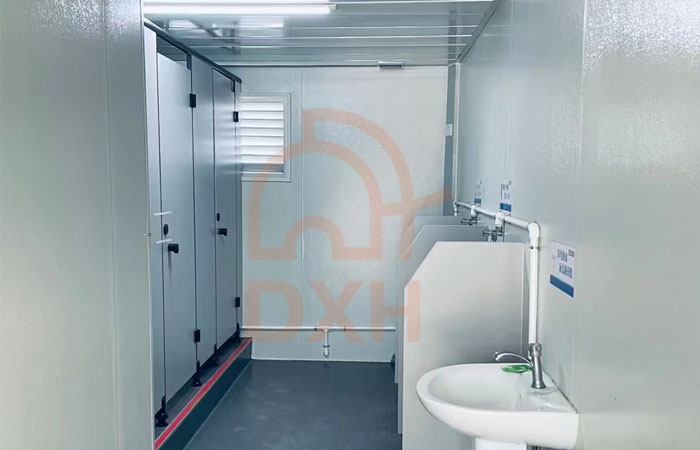
Het kiezen van de juiste producten is slechts een deel van de oplossing. De locatie van de mobiele toiletten kan van invloed zijn op het gebruiksgemak, de doorstroming van bezoekers, de bereikbaarheid van de voorzieningen en de algehele organisatie van het evenement.
Mobiele toiletten moeten gemakkelijk bereikbaar zijn voor bezoekers en mogen de belangrijkste activiteiten van het evenement niet verstoren. Mogelijke locaties zijn bijvoorbeeld in de buurt van hoofdingangen, horecagelegenheden, rustruimtes en drukke voetgangersroutes. De uiteindelijke plaatsing moet worden afgestemd op de indeling van het evenement en de verwachte bezoekersaantallen.
Mobiele toiletten moeten zichtbaar zijn, op een redelijke loopafstand van elk punt op het terrein en ook na zonsondergang toegankelijk zijn voor evenementen die tot in de avond duren. Verlichting en vrij zicht op de toiletruimtes zijn eenvoudige toevoegingen die de ervaring van bezoekers bij avondevenementen aanzienlijk verbeteren.
Mobiele toiletten hebben een vlakke, stabiele ondergrond nodig en moeten worden geplaatst met oog voor afwatering en weersomstandigheden. Laaggelegen gebieden waar na regen water blijft staan, of zachte grond die het gewicht van de unit en het verkeer van servicevoertuigen niet kan dragen, zijn over het algemeen minder geschikte locaties, zelfs als ze verder wel handig zijn.
Bij elke plaatsingsbeslissing moet rekening worden gehouden met hoe servicevoertuigen en personeel elke unit kunnen bereiken voor reiniging, het legen van de toiletten en het bijvullen van de voorraad. Toilettenclusters die er vanuit het oogpunt van bezoekersstroom ideaal uitzien, kunnen een logistiek probleem vormen als servicevoertuigen ze niet kunnen bereiken zonder het lopende evenement te verstoren.
Toegankelijke toiletunits moeten langs toegankelijke paden worden geplaatst, niet verscholen achter oneffen terrein of ver van de hoofdroute. Door rekening te houden met toegankelijkheid en de algemene bezoekersstroom in één keer, in plaats van als aparte planningsstappen, ontstaat een indeling die geschikt is voor alle bezoekers.
Het kiezen van de juiste leverancier is net zo belangrijk als het kiezen van de juiste producten, aangezien zowel de productkwaliteit als de betrouwbaarheid van de dienstverlening afhangen van de fabrikant of aanbieder.
Kies voor units die zijn gemaakt van duurzame materialen, een degelijke constructie hebben, voldoende ventilatie bieden en oppervlakken hebben die gemakkelijk schoon te maken en te onderhouden zijn, zelfs bij herhaald gebruik. Deze eigenschappen zijn vooral belangrijk tijdens evenementen met veel verkeer en meerdaagse missies, wanneer de units continu onder zware belasting staan.
Sommige leveranciers bieden aanpassingsmogelijkheden, zoals configuratie, interieurindeling of branding, om aan te sluiten bij een specifiek evenement of locatie. Of deze opties beschikbaar zijn en in welke mate, verschilt per leverancier. Organisatoren dienen de actuele aanpassingsmogelijkheden daarom rechtstreeks bij de leverancier te controleren.
Het vermogen van een leverancier om transport, leveringsplanning en installatie op locatie te coördineren, heeft een directe invloed op hoe soepel het toiletplan van een evenement verloopt, met name bij evenementen met een strakke opzettijd of een groot aantal toiletten.
Productie-ervaring en consistente kwaliteitscontroleprocessen zijn een belangrijke indicator voor de betrouwbaarheid van een product op de lange termijn. Evenementorganisatoren die een leverancier evalueren, zouden direct moeten vragen naar de productieachtergrond, de kwaliteitscontroleprocedures en relevante ervaring met evenementen van vergelijkbare omvang.
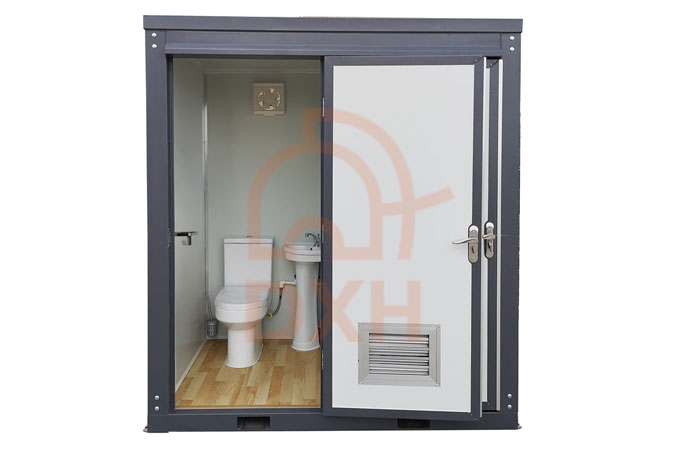
Als fabrikant van mobiele toiletten biedt DXH House diverse oplossingen die kunnen worden geconfigureerd volgens de specifieke eisen van een project. In plaats van klanten te beperken tot één vaste specificatie, kan de oplossing worden ontwikkeld rond de beoogde toepassing, inclusief eisen met betrekking tot afmetingen, indeling, materialen, functies en locatieomstandigheden.
Verschillende toepassingen vereisen verschillende overwegingen. DXH House richt zich op het begrijpen van de toepassing alvorens de juiste productconfiguratie te bepalen.
Of u nu een festival, concert, buitenbruiloft, sportevenement, openbare bijeenkomst of meerdaags evenement plant, DXH House kan u helpen bij het evalueren van de projectvereisten en het ontwikkelen van een mobiele toiletconfiguratie die aansluit op uw toepassing.
Vertel ons het type evenement, de verwachte capaciteit, de locatieomstandigheden, de afmetingen, de materialen, de functies en de leveringseisen, en DXH House bespreekt graag de mogelijkheden met u. een op maat gemaakte oplossing voor mobiele toiletten voor uw volgende evenement in de buitenlucht.
Een op maat gemaakte mobiele toiletvoorziening is een tijdelijke toiletinstallatie die is geconfigureerd volgens de specifieke eisen van een project. Afhankelijk van de toepassing kan de aanpassing betrekking hebben op afmetingen, interne indeling, materialen, functionele kenmerken, uiterlijk en andere projectspecifieke eisen.
Ja. Mobiele toiletten kunnen worden geconfigureerd op basis van het type buitenevenement, het verwachte aantal bezoekers, de duur van het evenement, de locatieomstandigheden, de wensen van de gebruikers, de transportbehoeften en de vereiste functies.
Afhankelijk van het project kan maatwerk betrekking hebben op de interne indeling, afmetingen, materiaalkeuze, functionele kenmerken, uiterlijk, toegankelijkheidseisen en andere specificaties die nodig zijn voor de beoogde toepassing.
Begin met het evalueren van het type evenement, het verwachte aantal bezoekers, de duur van het evenement, de indeling van de locatie, de omgevingsomstandigheden, de eisen van de gebruikers, de transportbeperkingen en de vereiste functies. Aan de hand van deze factoren kunt u vervolgens de juiste configuratie bepalen.
Het benodigde aantal is afhankelijk van factoren zoals het aantal bezoekers, de piekbelasting, de duur van het evenement, de catering, de bestaande toiletvoorzieningen, de gebruikersgroepen en de indeling van de locatie. Een projectspecifieke beoordeling kan helpen bij het bepalen van de juiste capaciteit en configuratie.
Ja. Locatieomstandigheden kunnen tijdens het planningsproces worden meegenomen. Beschikbare ruimte, bodemgesteldheid, toegangswegen, blootstelling aan de omgeving, transportbeperkingen en implementatievereisten kunnen allemaal van invloed zijn op de uiteindelijke oplossing.
Ja. Afmetingen en materiaalkeuze kunnen worden aangepast aan het beoogde gebruik van het project, de omgevingsomstandigheden, duurzaamheidseisen, transportvereisten en andere specificaties van de klant.
De productietijd is afhankelijk van de complexiteit van de aanpassing, de productconfiguratie, de hoeveelheid, de materiaaleisen, de bevestiging van het ontwerp en het productieschema. De exacte levertijd dient te worden vastgesteld op basis van de projectvereisten.

Xunqing Rd No.639, Taoyuan Town, Wujiang District, Suzhou City, Jiangsu Province, China
View All Contact


Onze uren
Ma 21/11 - wo 23/11: 9.00 - 20.00 uur
Do 24/11: gesloten - Fijne Thanksgiving!
Vr 25/11: 8.00 - 22.00 uur
Za 26/11 - zo 27/11: 10.00 - 21.00 uur
(alle uren zijn Eastern Time)

 IPv6-netwerk ondersteund