Jun 08, 2026
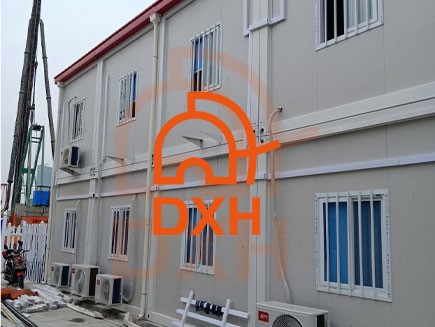
Containerwoningen in bouwpakketvorm zijn een praktische huisvestingsoplossing voor kampen op bouwplaatsen, mijnbouwlocaties, olie- en gasvelden of bij noodhulpprojecten. Ze worden in de fabriek geprefabriceerd, zijn gemakkelijk te transporteren en sneller te monteren dan traditionele gebouwen, waardoor ze bijzonder geschikt zijn voor afgelegen of tijdelijke kampen. Deze gids legt uit wat flatpack containerwoningen zijn, waarom ze een goede keuze zijn voor kampeerprojecten en hoe je ze efficiënt kunt plannen, aanpassen, verzenden en installeren. Ook komen regelgeving, kostenfactoren en veelgestelde vragen van kopers vóór het plaatsen van een bestelling aan bod. Wat is een bouwpakketcontainerwoning? Een flatpack containerwoning is een modulaire, geprefabriceerde constructie, opgebouwd uit een stalen frame en geïsoleerde sandwichpanelen. De belangrijkste onderdelen worden in de fabriek geproduceerd, plat verpakt voor transport en vervolgens ter plaatse gemonteerd met relatief eenvoudig gereedschap en mankracht. In tegenstelling tot traditionele, ter plaatse gebouwde accommodaties, zijn containerwoningen die als bouwpakket kunnen worden geleverd, ontworpen voor een snellere plaatsing en eenvoudigere logistiek. Ze worden veelvuldig gebruikt voor arbeidersslaapzalen, kantoorruimtes, keukens, badkamers, opslagruimtes en complete kampeerfaciliteiten. Belangrijkste structurele kenmerken en componenten - Boven- en onderframe: Voorgelaste stalen frames, vervaardigd in de fabriek.- Sandwichpanelen: Geïsoleerde wand- en dakpanelen (EPS, steenwol of PU-kern)- Deuren en ramen: Voorgeïnstalleerd of verpakt voor eenvoudige installatie.- Elektrische systemen: Voorbedrade leidingen en stopcontacten- Vloerbedekking: Vloeren van hout-kunststofcomposiet Dankzij deze modulaire constructie kan het huis in compacte vorm worden vervoerd en ter plaatse tot een volledig functionele eenheid worden gemonteerd. Waarom zijn containerwoningen die als bouwpakket kunnen worden geleverd zo geschikt voor accommodatieprojecten op campings? Containerwoningen die als bouwpakket worden geleverd, zijn bijzonder geschikt voor kampaccommodatie omdat ze een goede balans bieden tussen snelheid, kosten, flexibiliteit en duurzaamheid. Voor projectmanagers die snel huisvesting nodig hebben, kunnen ze de tijd tussen planning en ingebruikname verkorten. Snellere implementatie Een van de grootste voordelen is de snelheid. Omdat het meeste werk in de fabriek wordt gedaan, verloopt de installatie op locatie veel sneller dan bij traditionele bouwmethoden. Dit is vooral waardevol wanneer een projectplanning strak is en de accommodatie gereed moet zijn voordat een locatie volledig operationeel is. Lagere transportkosten Platte verpakkingen kunnen compact worden verzonden, wat het vrachtvolume vermindert en de laadefficiëntie van containers verbetert. Voor projecten op afgelegen locaties kan dit de transportkosten verlagen en de grensoverschrijdende logistiek vereenvoudigen. Flexibele kampeerindelingen Containerwoningen die als bouwpakket geleverd worden, kunnen in verschillende configuraties gecombineerd worden om een breed scala aan functies op de camping te ondersteunen. Ze kunnen ingericht worden als slaapzalen, kantoren, kantines, badkamers, wasruimtes, vergaderruimtes en opslagruimtes. Herbruikbaarheid in verschillende projecten Veel geprefabriceerde woningen voor kampen zijn tijdelijk of semi-tijdelijk. Containerwoningen die als bouwpakket worden geleverd, kunnen worden gedemonteerd, verplaatst en op een andere locatie hergebruikt, wat de levensduur verlengt en afval vermindert. Betere geschiktheid voor ruwe omstandigheden Met de juiste isolatie en constructie kunnen prefab containerwoningen goed presteren in warme, koude, vochtige of winderige omgevingen. Daardoor zijn ze een praktische keuze voor mijnbouw-, energie- en infrastructuurprojecten in afgelegen gebieden. Voor welke soorten kampprojecten zijn ze het meest geschikt? Containerwoningen die als bouwpakket worden geleverd, worden in veel sectoren gebruikt. De meest voorkomende toepassingen op campings zijn onder andere: - Accommodatie voor bouwvakkers.- Huisvesting in het mijnkamp.- Kampen op olie- en gasvelden.- Noodopvang en humanitaire hulp.- Accommodatie voor infrastructuurprojecten op afstand.- Tijdelijke huisvesting voor industriële werknemers. Voor deze scenario's zijn de belangrijkste vereisten doorgaans snelle implementatie, voorspelbare kosten en eenvoudige uitbreiding. Containerbehuizingen die als bouwpakket worden geleverd, voldoen goed aan deze prioriteiten. Traditionele bouw versus prefab containerwoningen Bij veel projecten voor zomerkampen speelt tijd, logistiek en flexibiliteit op lange termijn een belangrijke rol. De onderstaande tabel laat het verschil zien tussen traditionele bouwmethoden en prefab containerwoningen. DimensieTraditionele bouwContainerwoning (bouwpakket)ImplementatietijdDuurt meestal maandenKan veel sneller zijn dankzij prefabricage in de fabriek.Transportefficiëntie | |Hoger vrachtvolumeCompacte, plat verpakte verzendingInstallatiecomplexiteitMeer arbeidskrachten en meer werkzaamheden op de bouwplaats.Snellere assemblage met minder werknemersVerhuizingMoeilijkGemakkelijker te demonteren en te verplaatsenFlexibiliteit van het kampBeperktEenvoudig uit te breiden of opnieuw in te richten.LevenscyclusgebruikMeestal permanentGeschikt voor hergebruik op verschillende locaties. Voor tijdelijke of afgelegen huisvesting biedt modulaire kampaccommodatie vaak een betere balans tussen snelheid en gebruiksgemak. Hoe plan je een project voor kampaccommodatie? Een succesvol kampeerproject begint met een goede planning. Voordat u units bestelt, moet u de eisen van de locatie, de nutsvoorzieningen, de bezettingsgraad en de wettelijke voorschriften vaststellen. Definieer capaciteit en functie Begin met een schatting van het aantal mensen dat het kamp moet huisvesten. Bepaal vervolgens hoeveel units er nodig zijn voor slaapzalen, kantoren, keukens, badkamers en andere faciliteiten. Een goed gepland kamp moet voorzien in het dagelijks leven, werk, rust en hygiëne, zonder overbevolking of problemen met de werkprocessen te veroorzaken. Beoordeel de omstandigheden ter plaatse De bodemgesteldheid is van invloed op de funderingsoplossing. Afhankelijk van de locatie heeft u mogelijk betonnen funderingen, stalen palen of een funderingsplaat van grind nodig. U dient ook de afwatering, de helling, de toegangswegen en de beschikbare ruimte voor het hijsen van de constructie te controleren. Bevestig nutsvoorzieningen Het plannen van nutsvoorzieningen is essentieel. Watervoorziening, rioolafvoer, elektriciteit en soms internet of noodstroomvoorziening moeten al in een vroeg stadium van het ontwerp worden meegenomen. Als het project zich in een afgelegen gebied bevindt, kunnen zonne-energie- of wateropslagsystemen ook nuttig zijn. Bekijk de lokale regelgeving Verschillende regio's hanteren verschillende eisen op het gebied van bouwvoorschriften, brandveiligheid, transportnormen en regels voor tijdelijke huisvesting. Door vroegtijdig te controleren of aan de voorschriften wordt voldaan, kunnen vertragingen tijdens de installatie of inspectie worden voorkomen. Hoe pas je bouwpakketcontainers aan voor gebruik op de camping? Een van de sterke punten van prefab containerwoningen is de mogelijkheid tot maatwerk. Een campingproject vereist zelden slechts één type unit, dus het ontwerp moet aansluiten op de daadwerkelijke werkzaamheden. Slaapzaaleenheden Slaapzalen vormen de kern van de meeste kampen. Ze kunnen worden ontworpen voor 2, 4, 6 of 8 personen, afhankelijk van het budget en de ruimtebehoefte van het project. De indeling kan bestaan uit stapelbedden, kluisjes, verlichting, airconditioning en ventilatiesystemen. Kantoorunits Kantoorunits bieden ruimte aan projectmanagers, supervisors, ingenieurs en administratief personeel. Deze units kunnen bureaus, vergadertafels, archiefkasten, netwerkaansluitingen en airconditioningssystemen bevatten. Keuken- en kantine-eenheden Voor grotere kampen is de eetruimte een belangrijke overweging. Keuken- en cafetaria-units kunnen worden aangepast met kookapparatuur, ventilatiesystemen, opslagruimte voor voedsel, wasgelegenheden en zitgelegenheden. Badkamer- en douche-units Sanitaire voorzieningen zijn cruciaal in elk accommodatieproject. Badkamers moeten worden ontworpen rekening houdend met de lokale waterkwaliteit, afvoersystemen en verwachte bezettingsgraad. Gescheiden douche-, toilet- en wastafelruimtes verbeteren vaak de hygiëne en de doorstroming. Opslag- en bijkeuken Opslagruimtes zijn handig voor gereedschap, reserveonderdelen, schoonmaakmiddelen en persoonlijke uitrusting. Technische ruimtes kunnen ook onderdak bieden aan elektrische installaties, waterzuiveringsinstallaties of onderhoudsapparatuur. Isolatie- en klimaatopties De keuze van de kern van het sandwichpaneel is belangrijk. EPS-, steenwol- en PU-panelen hebben elk verschillende thermische en brandwerende eigenschappen. De beste optie hangt af van het klimaat, het budget, de brandveiligheidseisen en de gebruiksomstandigheden. Elektrische en interieurmogelijkheden De kampeerunits kunnen worden geleverd met voorbedrade verlichting, stopcontacten, airconditioning en energiezuinige armaturen. Ook de interieurafwerking, vloermaterialen en specificaties voor deuren en ramen kunnen worden gekozen op basis van gebruik en duurzaamheid. Stapsgewijs implementatieproces voor kampaccommodatie Een gestructureerd implementatieproces helpt risico's te verminderen en het project op schema te houden. Stap 1. Locatiebeoordeling en lay-outplanning Voordat de productie van start gaat, moet het projectteam de locatieomstandigheden, de beschikbaarheid van nutsvoorzieningen en de lay-outvereisten vaststellen. In deze fase wordt het masterplan voor het kamp opgesteld, inclusief de indeling van de units, de verkeersstromen, de privacyzones en de servicegebieden. Stap 2. Eenheidsselectie en technische bevestiging Vervolgens selecteert u de gewenste afmetingen, materialen, isolatie en elektrische configuratie. In deze fase is het belangrijk dat de leverancier de klimaatomstandigheden, het gebruik van het gebouw en de geldende voorschriften begrijpt. Stap 3. Fabrieksprefabricage Zodra de bestelling is bevestigd, gaan de units in productie. Stalen frames, wandpanelen, deuren, ramen en voorgeïnstalleerde elektrische componenten worden in de fabriek gefabriceerd en gecontroleerd voordat ze worden verzonden. Stap 4. Planning van verzending en levering De volgende stap is de logistiek. De bouwpakketten worden verpakt voor efficiënt transport en naar de projectlocatie verzonden. Een goede logistieke planning is met name belangrijk voor grensoverschrijdende projecten of locaties met beperkte toegang. Stap 5. Montage op locatie De montage is doorgaans eenvoudig. Eerst wordt het onderframe geplaatst, daarna worden de wandpanelen, het bovenframe, de dakonderdelen, de deuren en de ramen gemonteerd. Vervolgens kunnen de elektrische installaties en de afwerking worden voltooid. Stap 6. Aansluiting van nutsvoorzieningen en eindinspectie Na de opbouw wordt het kamp aangesloten op de water-, elektriciteits- en rioleringssystemen. Een eindinspectie moet bevestigen dat de constructie stabiel is, de bedrading correct is, de ventilatie voldoende is en alle voorzieningen naar behoren functioneren. Typische tijdlijn voor de inzet van kampaccommodaties De exacte planning hangt af van de projectomvang, de mate van maatwerk en de transportafstand. Over het algemeen verloopt het proces veel sneller dan bij traditionele bouwmethoden. - Kleine projecten kunnen binnen enkele weken worden afgerond.Middelgrote projecten duren doorgaans enkele weken tot een paar maanden.Grote kampprojecten kunnen langer duren, maar ze profiteren nog steeds van parallelle fabrieksproductie en voorbereiding op locatie. De totale tijdsplanning is afhankelijk van de volgende factoren: - Aantal eenheden.- Mate van aanpassing.- Verzendafstand.- Locatie gereedheid.- Complexiteit van de nutsaansluiting.- Lokale inspectie- of vergunningsvereisten. Technische specificaties van de kampeeraccommodatie die u moet controleren voordat u bestelt. Voordat kopers een bestelling plaatsen, moeten ze de belangrijkste technische specificaties zorgvuldig doornemen. Dit helpt ervoor te zorgen dat het project veilig, duurzaam en geschikt is voor de lokale omstandigheden. Constructief frame Controleer de staaldikte, de coatingbehandeling en het constructieontwerp. Deze details beïnvloeden het draagvermogen, de corrosiebestendigheid en de levensduur. Wand- en dakpanelen De dikte van de panelen en het kernmateriaal beïnvloeden de isolatie en het comfort. Dikkere panelen met een betere isolatie zijn doorgaans beter geschikt voor extreme klimaten. Brandwerendheid Brandveiligheid is met name belangrijk voor slaapzalen, keukens en dichtbevolkte kampen. Kopers dienen te controleren welke materialen zijn gebruikt en of de unit voldoet aan de lokale brandveiligheidsvoorschriften. Wind- en aardbevingsbestendigheid Voor locaties die blootgesteld zijn aan sterke wind of seismische activiteit, moet de structurele weerstand vooraf worden beoordeeld. Dit is met name belangrijk voor offshore-, kust- en berggebieden. Levensduur en onderhoud Een goede kampeerunit moet ontworpen zijn voor herhaald gebruik met minimaal onderhoud. Kopers moeten informeren naar de verwachte levensduur, de noodzaak tot opnieuw schilderen, het onderhoud van de afdichtingen en de beschikbaarheid van reserveonderdelen. DXH House: Echte projectvoorbeelden van kampaccommodatie Projectvoorbeelden helpen kopers te begrijpen hoe containerwoningen die als bouwpakket worden geleverd, in de praktijk presteren. Bouwkampproject in de VAE Dit Bouwkampproject in de VAE Een modulair project vereist doorgaans een snelle implementatie, schaalbare accommodatie en praktische indelingen voor kantoren en huisvesting van werknemers. Een modulair systeem is handig omdat het snel kan worden geïnstalleerd en aangepast naarmate het project groeit. Mijnbouwhuisvestingsproject in Indonesië Mijnbouwlocaties Vaak is er behoefte aan duurzame accommodatie in afgelegen gebieden. Een modulaire slaapzaaloplossing is handig omdat deze slaapruimtes, opslagruimte, sanitaire voorzieningen en gemeenschappelijke ruimtes combineert in een compacte, herhaalbare structuur. Deze voorbeelden tonen aan dat containerwoningen die als bouwpakket worden geleverd niet alleen snel te installeren zijn, maar ook praktisch in veeleisende werkomgevingen. Ze zijn met name waardevol wanneer logistiek, klimaat en installatietijd belangrijke beperkingen vormen. Waarom kiezen voor DXH House? DXH House produceert al sinds 2008 geprefabriceerde containerwoningen en ondersteunt kampprojecten in diverse regio's, waaronder Noord-Amerika, Europa, het Midden-Oosten, Zuidoost-Azië en Afrika. Met fabrieksproductie, maatwerk, logistieke coördinatie en installatiebegeleiding kan DXH House het implementatieproces van planning tot oplevering vereenvoudigen. Als u een bouwkamp, mijnkamp of accommodatieproject voor afgelegen werknemers plant, bieden prefab containerwoningen een snelle, flexibele en kosteneffectieve oplossing. Met de juiste planning kan uw accommodatieproject veel sneller van concept naar realisatie gaan dan met traditionele bouwmethoden. Neem contact met ons op voor meer informatie. offerte voor modulaire kampen. Veelgestelde vragen Hoe lang duurt het om een kampeeraccommodatie met bouwpakketcontainers op te zetten? Dankzij de voorbereiding in de fabriek kan de bouw van prefabwoningen 30-50% sneller worden voltooid. Kleine projecten duren weken, terwijl grote kampen met duizenden wooneenheden in enkele maanden klaar kunnen zijn. Kunnen containerkampen die als bouwpakket zijn opgetrokken, worden verplaatst? Ja. Containerwoningen die als bouwpakket worden geleverd, kunnen met een kraan en een heftruck worden verplaatst, waardoor ze ideaal zijn voor tijdelijke of mobiele kampprojecten. Welke certificeringen hebben de huizen van DXH House? De woningen van DXH House zijn CE- en ISO 9001-gecertificeerd en voldoen aan de regionale bouwvoorschriften. Biedt DXH installatiehandleidingen voor kampeeraccommodaties? Ja. DXH biedt volledige service en ondersteuning, inclusief begeleiding bij de installatie op locatie en technische documentatie. Zijn containers die als bouwpakket worden geleverd geschikt voor extreme klimaten? Ja. Sandwichpanelen met steenwol- of PU-isolatie bieden thermische bescherming in warme, koude of vochtige omgevingen.
LEES VERDER





 IPv6-netwerk ondersteund